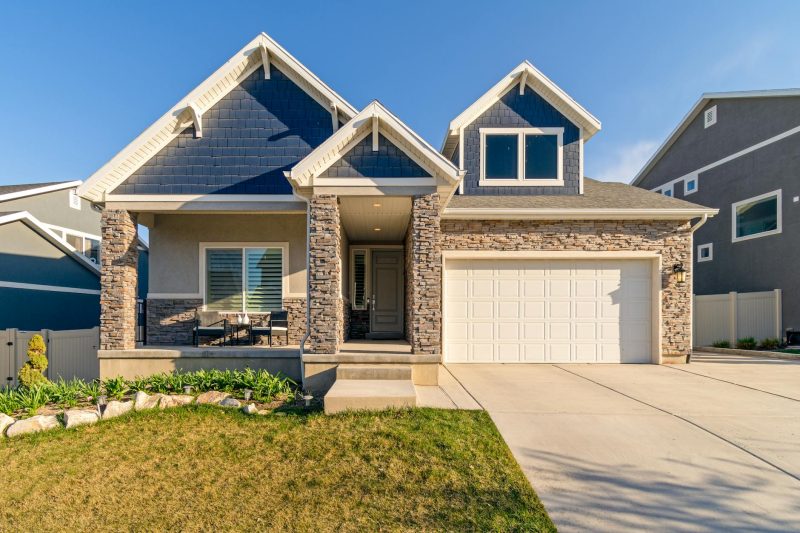
Buying a home when you're self-employed is exciting, but navigating the mortgage process with variable…
Construction Loans: How to Finance Your Central Texas Custom Home
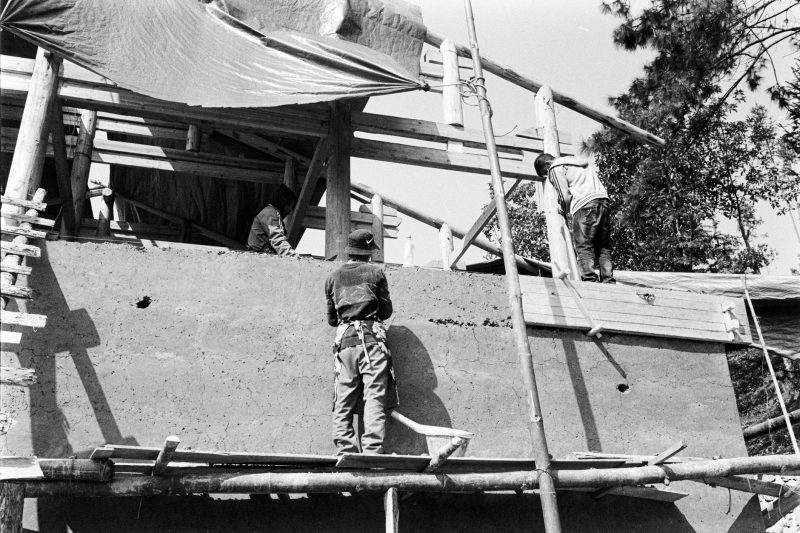
Planning to build your dream home in Austin, New Braunfels, or anywhere in Central Texas can feel both thrilling and overwhelming, especially when it comes to understanding your financing options. A construction loan is a short-term loan used to cover the cost of building a new home, which is later replaced by a permanent mortgage once construction is complete. In this guide, we’ll walk through construction loan basics, how they work, key requirements, and what you should know as a buyer in the Central Texas market.
Key Takeaways
- Purpose: A construction loan covers the costs of building a home from the ground up, including land, materials, labor, and permits.
- Requirements: Lenders typically look for solid credit, documented income/assets, a detailed construction plan, and a licensed builder.
- Timeline: Funds are released in stages throughout construction, with a typical total process from application to completion often lasting 9-12 months.
- Best For: Buyers wanting to build a custom or semi-custom home, those purchasing land plus construction, and borrowers needing financing tailored for the unique risks of building.
Quick Answers
- How does a construction loan differ from a regular mortgage? Construction loans provide short-term funding for building your home, and are replaced by a permanent mortgage once the build is complete.
- Can I finance land and construction together? Yes, many construction loan products allow you to roll land purchase and construction costs into a single loan.
- What documentation will I need? You’ll typically need detailed construction plans, builder contracts, proof of assets/income, and approved budgets.
- Is a larger down payment required? Construction loans often require a larger down payment compared to some purchase loans, but specifics vary by lender and program.
What Is a Construction Loan?
A construction loan is a temporary, interest-only loan that covers the cost of building a new residential property. These loans are structured to provide funds in “draws” as construction progresses, rather than all at once upfront. Once your home is finished, you’ll typically refinance into a standard mortgage—or the construction loan may be designed to automatically convert to permanent financing (known as a “construction-to-permanent” or “one-time close” loan).
How Construction Loans Work in Central Texas
At Mission Mortgage of Texas, Inc. (NMLS# 207583), we help borrowers navigate each step of securing and managing a construction loan for their new custom home, whether you’re in Austin or nearby in Bastrop, Dripping Springs, or New Braunfels. Here’s how the process usually unfolds:
- Pre-Approval & Planning: Review your finances, understand your budget, and get pre-approved before you finalize blueprints or a builder.
- Select Builder & Submit Plans: Choose an experienced local builder. Provide detailed plans, contracts, permits, and cost estimates for lender review.
- Appraisal: The lender values the project based on “future value” (completed home), not just current land value.
- Loan Closing: After approval, you’ll close on the loan—often consolidating land and construction costs into one amount.
- Draw Disbursements: Funds are released in phases (e.g., foundation, framing, final). Inspections verify work is complete before each draw.
- Conversion to Mortgage: When the home’s complete, the loan is paid off by your new permanent mortgage (either automatically or via a second closing).
Types of Construction Loans Available
Several construction loan structures can be used depending on your goals and lender. In Central Texas, the most common options include:
Construction-to-Permanent (“One-Time Close”)
This loan lets you secure both construction funding and your permanent mortgage up front, with one application, one approval, and usually one closing. You pay interest-only during the build, then the loan converts at project completion—no need to requalify or pay a second set of closing costs. Ideal for borrowers who want simplicity and to lock in their permanent mortgage rate early.
Stand-Alone Construction (“Two-Time Close”)
With this option, you finance only the construction first. When the home is finished, you apply for a permanent “end loan,” which pays off the construction loan. This offers flexibility if you’re not yet ready for a permanent mortgage, or if you expect your finances to improve by completion, but it generally means two sets of closing costs.
Owner-Builder & Custom Arrangements
Some lenders allow experienced buyers to act as their own builder or general contractor, but this is less common and comes with stricter requirements. Most borrowers will use a licensed, vetted builder for the project.
Eligibility & Documentation: Key Requirements
- Credit & Assets: Lenders typically look for higher credit scores and documented assets for larger down payments and reserves.
- Construction Details: You’ll need to provide comprehensive plans, permits, timelines, and a fixed-price contract with a licensed builder.
- Appraisal Based on “As-Completed” Value: An appraiser assesses the projected value of the finished home—not just the land or incomplete structure.
- Builder Approval: The lender must vet and approve your builder based on reputation, financial stability, and experience.
Tip: Requirements can vary, so it’s best to consult with a local mortgage professional early—especially to confirm qualifying guidelines in Austin, New Braunfels, San Marcos, and throughout the Texas Hill Country.
Typical Construction Loan Timeline
| Stage | Approximate Length | Key Notes |
|---|---|---|
| Pre-Approval & Planning | 2–4 weeks | Budgeting, builder/plan selection, application |
| Processing & Appraisal | 3–6 weeks | Submit plans, lender due diligence, builder vetting |
| Closing | 1 week | Sign final documents, ready for construction start |
| Building/Draws | 6–12 months | Funds released at key milestones after inspections |
| Conversion/Refinance | 1–3 weeks | Rolls into permanent mortgage or closes second loan |
How Down Payments and Cash Flow Work
Construction loans usually require a larger down payment than typical purchase loans. Lenders often ask for at least 10%–20% down, but requirements may vary based on your credit profile, property type, and whether the loan includes land costs. Some programs may allow lower down payments—especially if you already own the lot. Funds are drawn as construction progresses, so you only pay interest on amounts already funded during the build.
Which Construction Loan Is Right for You?
Choosing the right loan depends on your situation, builder, and the property itself. Here’s a side-by-side comparison for easy review:
| Loan Type | # of Closings | Pros | Cons |
|---|---|---|---|
| Construction-to-Perm (One-Time Close) | 1 | Simplifies process, single qualification/closing, may lock rate upfront | May have stricter builder or program restrictions |
| Stand-Alone Construction (Two-Time Close) | 2 | More flexibility if circumstances change, may allow new mortgage options later | Two closings and sets of fees, need to re-qualify for permanent loan |
Key Considerations and Local Insights
Central Texas is home to dynamic markets, from booming Austin to relaxed Hill Country communities. Construction timelines, costs, and permitting can vary widely by city or county. If you’re building in communities like Barton Springs, Leander, San Marcos, or Georgetown, working with local experts can help ensure your project stays on track.
- Choose a reputable builder familiar with local codes.
- Secure permits early. Delays are common in high-growth areas like Travis and Williamson counties.
- Review HOA requirements and deed restrictions before closing your loan.
Next Steps: Pre-Approval and Planning
Thinking about a new build in Austin, New Braunfels, or the San Antonio corridor? Getting pre-approved early can help you set a realistic budget, strengthen your offer with builders and land sellers, and help you avoid surprises down the road. Our team can review your goals, walk you through up-to-date construction loan options, and outline next steps so you feel empowered through the whole process.
Ready to Build Your Central Texas Home?
Financing a construction project is a big step, but you don’t have to navigate it alone. Call, text, or email us today to review your scenario, compare custom loan solutions, or start your pre-approval. We’re here to help you turn your vision into reality—whether in Austin, New Braunfels, San Marcos, Houston, or anywhere in Texas.
Frequently Asked Questions
Can self-employed borrowers get construction loans?
Yes, many lenders offer construction loans to self-employed borrowers. You'll likely need detailed tax returns and documentation to verify income and may need to meet additional credit or asset requirements.
Do I have to sell my current home before starting construction?
Not necessarily. Many buyers use savings, a home equity loan, or bridge loan to cover the construction down payment if they’re not selling their current residence right away. Discuss your scenario with your lender to see what’s possible.
Can construction loans cover renovations or additions?
Some construction loans can be used for major renovations or additions, but guidelines may differ from ground-up builds. Lenders may require detailed renovation plans and contractor bids for approval.
What happens if there are construction delays?
Most lenders build in some flexibility for construction timelines, but major delays may require loan extensions or additional approval. Communicate early with your lender and builder if you anticipate a delay.
Are land and construction costs rolled into one loan?
Yes, many construction-to-permanent loans allow you to finance land acquisition and building costs in a single loan. This can simplify your financing and timeline, but specifics vary by lender and program.
This is educational and not financial advice. Loan programs and guidelines can change. Talk with a licensed mortgage professional about your specific scenario.

About the Author
Leigh Ann McCoy
President at Mission Mortgage of Texas, Inc.
Your mortgage journey begins here. Getting started on the purchase or refinance of your home is just a few minutes away. No commitment needed.
Specializes in: Conventional, FHA, Non-QM
Licensed in: TX
Company NMLS #207583
Related Posts