Buying a home is a major milestone, but figuring out your financing options as a…
Construction Loans Explained: Building Your Dream Home in Central Texas
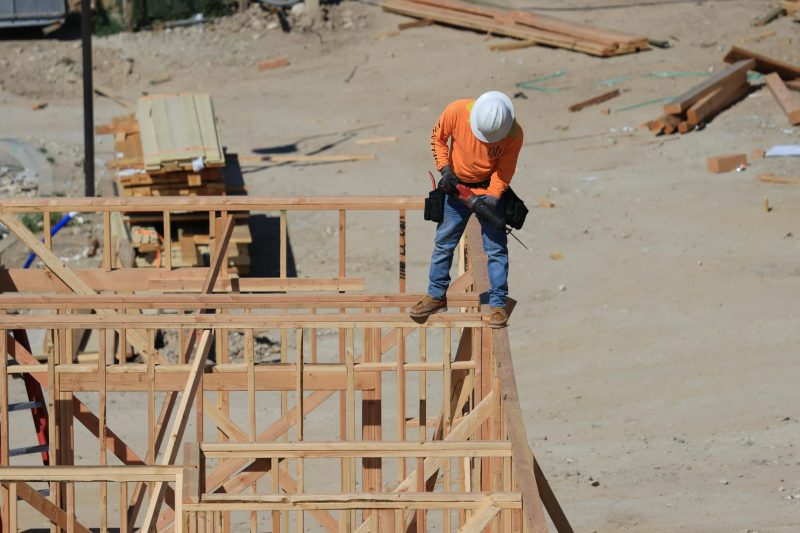
Building your dream home in Central Texas is an exciting adventure, but understanding how to finance the construction process can feel daunting. **A construction loan is a specialized, short-term loan that provides funds to build a home, with money released in stages as milestones are completed.** In this article, we’ll break down how construction loans work, what’s required to qualify, common process steps, and what Austin-area buyers need to know.
Key Takeaways
- Purpose: Construction loans fund the cost of building a new home or major renovation, releasing funds to your builder over time.
- Requirements: Typically includes a solid credit profile, documented income, detailed construction plans, and a down payment.
- Timeline: Funds are disbursed in multiple draw phases during construction, often 6-12 months, then transition to a permanent mortgage.
- Best For: Buyers planning to build a custom home, especially in growing areas like Austin, New Braunfels, or the Texas Hill Country.
Quick Answers: Central Texas Construction Loans
- What is a construction loan? A loan designed to finance new home builds, with money distributed as construction progresses.
- Can I use a construction loan for land and building costs? Yes—many programs allow both, but guidelines vary.
- Do I pay interest during construction? Typically, yes—you pay interest on funds as they’re drawn, not the full amount upfront.
- Can self-employed individuals qualify? Yes, with proper income documentation and planning; talk with your lender early in the process.
What Is a Construction Loan?
A construction loan is a short-term, interim loan that provides funds to build a residential property. Unlike a traditional mortgage, funds are not released all at once. Instead, the lender disburses money in stages, known as draws, as each milestone—foundation, framing, roofing, etc.—is completed and inspected. Once construction is finished, the loan can convert to a permanent mortgage, or you refinance into a standard home loan.
How Construction Loans Work in Austin and Central Texas
Here in Central Texas, the demand for new custom homes in areas like Austin, Dripping Springs, and New Braunfels continues to rise. The team at Mission Mortgage of Texas, Inc. (NMLS# 207583) offers construction-to-permanent and stand-alone construction loans to help make your dream home a reality, whether you’re building on your own lot or working with a builder in a local community.
Main Types of Construction Loans
- Construction-to-Permanent (“One-Time Close”): Converts automatically to a traditional mortgage after building is complete, eliminating the need for two closings.
- Standalone Construction Loan ("Two-Time Close"): Covers only the build phase; once complete, you’ll apply for a new mortgage to pay off the construction balance.
Key Steps in the Construction Loan Process
- Pre-Approval: Qualify based on income, assets, credit, and construction plans. Planning early is especially helpful for self-employed buyers.
- Submit Plans and Budget: Lenders require detailed contracts, specs, and cost breakdowns from your builder.
- Appraisal and Approval: The proposed home is appraised based on plans; loan is approved after all documentation checks out.
- Closing and Funding: You close on the loan and construction begins. Initial funds are released for land or early costs.
- Draws During Construction: Additional funds are distributed at set phases, after inspections confirm completion of each stage.
- Conversion or Refinance: Once complete, the loan is converted or refinanced into a standard fixed or adjustable-rate mortgage.
Construction Loan Qualifications and Requirements
Securing a construction loan involves meeting several guidelines—many of which are similar to traditional mortgages, with a few additional layers.
- Credit Standards: Lenders typically look for solid credit history; requirements may be more flexible for FHA or VA construction loans.
- Income Documentation: Wage-earners and self-employed borrowers must verify stable, sufficient income. If you’re self-employed, prepare recent tax returns and profit/loss statements.
- Down Payment: Most programs require a down payment—often more than traditional mortgages, though FHA/VA programs may offer lower options for eligible buyers.
- Builder Approval: The builder must be vetted and approved by the lender, ensuring experience, licensing, and a solid track record.
- Detailed Construction Plan: You’ll need contracts, floor plans, and a complete cost breakdown of the build.
- Appraisal: The property is appraised based on proposed plans and future market value.
What Expenses Do Construction Loans Cover?
Construction loans generally fund:
- Land purchase (if not already owned)
- Permits and fees
- Labor and materials throughout each build phase
- Contractor/builder payments
- Major systems: foundation, utilities, framing, roofing, electrical, plumbing
- Finishing elements and landscaping (varies by lender guidelines)
Construction Loan vs. Traditional Mortgage: Key Differences
| Category | Construction Loan | Traditional Mortgage |
|---|---|---|
| Purpose | Funds new home builds or major renovations | Funds the purchase or refinance of a completed home |
| Funding Method | Money released in draws upon milestone completion | Full amount provided at closing |
| Loan Length | Short-term (typically 6–12 months) | Long-term (typically 15–30 years) |
| Interest Payments During Build | Interest-only on amount drawn | Full payment begins immediately |
| Transition | Converts or refinances to standard mortgage when home is finished | No conversion needed |
Who Are Construction Loans Best For?
Construction loans are ideal for:
- Borrowers wanting to build a custom primary home or vacation home
- Buyers with unique property or design needs not met by existing homes
- Self-employed clients who want more control over their home’s design (with proper planning and documentation)
- Move-up buyers looking to build before selling an existing property
- Landowners in Austin, Leander, or the Hill Country ready to construct their dream home
Every scenario is unique. Consult with a local lender who understands Central Texas land, builder expectations, and market norms.
Special Considerations: Austin and Central Texas
Central Texas—especially Austin, Dripping Springs, Bastrop, and the I-35 Corridor—features diverse land, zoning, and utility needs. Talk with your builder about lot readiness, utility access, permitting, and neighborhood guidelines early. Some areas (like planned communities in Leander or Georgetown) may have streamlined approvals, while lots outside city limits might face extra steps.
Local factors can affect your timeline and costs:
- Water/well and septic requirements, especially on acreage in Hays or Comal County
- Floodplain or environmental restrictions (certain tracts in Travis County)
- Homeowner association rules for design or landscaping
- Rising material/labor costs in our fast-growing region
Getting Started: What to Do Next
If you’re considering building your own home, we recommend starting with a pre-approval and a meeting to discuss your goals with a local mortgage expert. Collect basic financial documents, research builders, and map out your lot’s readiness and utilities. The earlier you plan, the smoother your build—and your loan process—will go.
Common Construction Loan Programs in Texas
- Conventional Construction Loans: For buyers with established credit and down payment resources; many options for one-time and two-time close structures.
- FHA Construction Loans: Flexible qualifying for eligible borrowers; allows lower down payments but has additional requirements regarding approved builders and property types.
- VA Construction Loans: For qualified veterans and active-duty military; offers zero down options for eligible Texas buyers, subject to VA guidelines.
- Non-QM Construction Loans: For self-employed or non-traditional income borrowers; wider qualifying flexibility, including bank statement programs.
- Jumbo Construction Loans: Supports higher loan amounts when building in Austin’s luxury neighborhoods or on high-value lots.
Ready to Build? Let’s Map Out Your Plan
Whether you own your land, are buying in the Texas Hill Country, or are still evaluating builder options in Austin, New Braunfels, or Georgetown, our team can guide you every step of the way. Call, text, or email us to review your plans, compare loan options, and clarify next steps. If you’re just starting your journey, we highly recommend pre-approval planning—it helps your builder and lender work together so surprises are minimized and timelines stay on track.
Frequently Asked Questions
How do construction loan payments work during the build?
During construction, you typically make interest-only payments on the loan amount disbursed so far. You do not pay full principal and interest until the project transitions to a permanent mortgage.
Can I act as my own builder (owner-builder) in Texas?
Most lenders require a licensed general contractor to oversee the project. Some programs may allow owner-builders, but guidelines are strict and you must demonstrate significant experience and planning capability.
How long does the construction loan process usually take in Central Texas?
The process from planning to approval can take several weeks, and building often takes 6-12 months depending on complexity and permitting. Early planning with all parties involved helps ensure smoother timelines.
What happens if construction costs are higher than planned?
If costs go up, you may need to pay the difference out of pocket or request a modification. It's important to build a contingency into your budget and communicate with your lender and builder if changes arise.
Can I use the equity in my land as part of my down payment?
Often, yes—if you already own the land, its appraised value and equity can usually help meet down payment requirements. Consult with your lender to determine how your specific scenario would be evaluated.
This is educational and not financial advice. Loan programs and guidelines can change. Talk with a licensed mortgage professional about your specific scenario.

About the Author
Mission Mortgage
Your mortgage journey begins here. Getting started on the purchase or refinance of your home is just a few minutes away. No commitment needed.
Specializes in: Conventional, FHA, Non-QM
Licensed in: TX
Company NMLS #207583
Related Posts