FHA Home Loans for First-Time Buyers in Austin, TX
One of the biggest hurdles that first time homebuyers face is saving up for a sizable down payment on a home.
Why Buyers Consider FHA Financing in Austin, TX
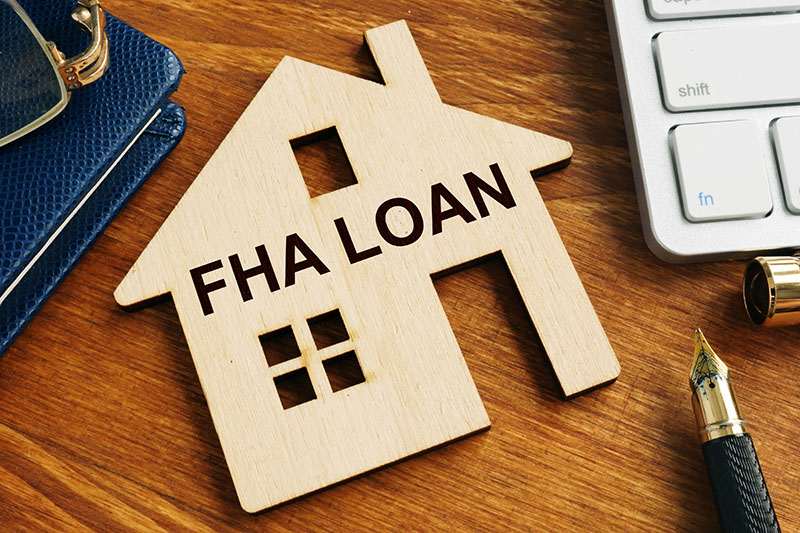
An FHA home loan in Austin, TX is a government-insured mortgage with a down payment as low as 3.5% for eligible borrowers and generally flexible credit guidelines. At Mission Mortgage of Texas, Inc., we help first-time buyers, move-up buyers, and self-employed borrowers understand how FHA financing compares with conventional and Non-QM programs.
Key Takeaways
- Government insurance: FHA loans are issued by approved lenders and insured by the Federal Housing Administration.
- Minimum investment: Eligible borrowers with qualifying credit may put down as little as 3.5% of the purchase price.
- Credit flexibility: FHA underwriting may accommodate some credit histories that present challenges under conventional guidelines.
- Owner occupancy: The financed property generally must become your primary residence rather than a second home or investment property.
- Mortgage insurance: FHA financing typically includes upfront and annual mortgage insurance premiums that affect total borrowing costs.
- Property review: An FHA appraisal evaluates value and checks for conditions affecting the property’s safety, security, and structural soundness.
- County limits: As of 2026, FHA loan limits depend on the county and number of residential units in the property.
Common Questions About FHA Home Loans
FHA home loans provide an accessible path to homeownership, but borrowers must meet financial, occupancy, and property requirements.
- What is an FHA home mortgage? It is a mortgage originated by an FHA-approved lender and insured against certain losses by the federal government. The insurance protects the lender, not the borrower, and does not guarantee approval.
- Who can apply for the FHA Home program? First-time and repeat buyers may apply, including eligible non-permanent residents under current FHA rules. Borrowers must demonstrate acceptable credit, qualifying income, sufficient funds, and an intention to occupy the property.
- How much money do I need down? FHA permits a 3.5% down payment with a qualifying credit score of 580 or higher. Scores between 500 and 579 generally require at least 10% down, although lenders may establish additional credit standards.
- Can I buy a duplex with an FHA loan? FHA may finance an eligible one- to four-unit property when you occupy one unit as your primary residence. Rental income from the other units may sometimes help with qualification when it is documented and calculated under FHA rules.
- Do I need to be a first-time home buyer? No. FHA financing is available to qualifying repeat and move-up buyers, while our first-time home buyer resources address considerations specific to new buyers.
- Is mortgage insurance required? FHA loans generally require an upfront mortgage insurance premium and an annual premium collected through the monthly payment. The duration of annual insurance depends partly on the original loan-to-value ratio and applicable FHA rules.
- How long does an FHA purchase take? A well-prepared transaction often closes in about 30 to 45 days. Appraisal repairs, title issues, incomplete documents, or changes in the borrower’s finances can extend that timeline.
- Can self-employed borrowers use FHA financing? Yes, provided their income is stable, likely to continue, and supported by required tax and business documentation. If tax returns do not reflect usable cash flow, a Bank Statement Program may also be worth exploring.
How FHA Home Loans Work
An FHA home loan moves through financial qualification, property review, underwriting, and closing. Preparing documents early can reduce avoidable questions once you are under contract.
- Discuss your goals and budget: We begin by reviewing your target payment, available savings, expected occupancy, and preferred property type. This helps establish whether FHA financing aligns with your plans before we examine detailed numbers.
- Evaluate income, credit, and debts: We review employment, qualifying income, credit history, monthly liabilities, and funds available for closing. For self-employed borrowers, that review commonly includes tax returns, year-to-date profit-and-loss information, and evidence that the business remains active.
- Compare available mortgage programs: We evaluate the projected interest rate, mortgage insurance, down payment, closing costs, and long-term expense—not merely the initial cash requirement. A borrower with stronger credit or more savings may find that a conventional loan offers a different overall cost structure.
- Complete the application and preapproval review: You provide required financial documents and authorize the necessary credit and verification steps. A preapproval is not a final loan approval, but it can identify an estimated price range and issues that should be addressed before an offer.
- Place an offer on an eligible home: After a seller accepts your offer, we confirm the applicable 2026 county loan limit, property use, and contract terms. Buyers who need to sell another property may also compare an FHA purchase with a Bridge Home Loan, which carries separate eligibility and cost considerations.
- Order the FHA appraisal: An FHA-approved appraiser develops an opinion of value and observes visible property conditions. Defective paint, exposed wiring, missing safety rails, active roof leaks, or utilities that cannot be tested may lead to repair requirements or further evaluation.
- Satisfy underwriting and close: Underwriting reviews your financial file, appraisal, title work, insurance, and other applicable conditions. Before signing, you receive a Closing Disclosure showing the final loan terms, payment components, and amount needed to close.
When an FHA Home Mortgage May Make Sense
FHA financing may be a good fit for buyers who have limited down payment funds, less-established credit, or debt ratios that require a more flexible underwriting framework. It may also work well when eligible relatives are helping with gift funds or when a buyer plans to occupy a two- to four-unit property. In our experience, the strongest FHA plans start with a complete monthly budget that includes principal, interest, property taxes, homeowners insurance, mortgage insurance, and association dues.
Alternatives deserve consideration when strong credit, a larger down payment, or nontraditional income changes the cost comparison. Conventional financing may provide more favorable mortgage insurance treatment in some cases, while a Non-QM program may better address income that is not fully represented on tax returns. Buyers focused on minimizing upfront funds can also compare FHA with our low down payment purchase options.
FHA Loan Costs, Fees, and What to Expect
An FHA loan’s total cost includes the down payment, mortgage insurance, lender charges, third-party services, and prepaid housing expenses. Common expenses include appraisal and credit fees, title and settlement services, homeowners insurance, property-tax escrows, recording charges, and prepaid interest. Eligible gift funds, seller contributions, and lender credits may reduce certain out-of-pocket costs when properly documented and permitted.
For a specific example, a $360,000 purchase with 3.5% down would require a $12,600 down payment. If closing costs and prepaid expenses totaled approximately $10,000, estimated cash needed would be about $22,600 before applying earnest money, permitted credits, or other adjustments; actual costs can vary substantially.
FHA rates may be competitive with conventional rates, but mortgage insurance can make the total payment higher in some strong-credit scenarios. What we typically see is a 30- to 45-day purchase timeline when income documents are complete and the property does not require appraisal-related repairs.
| Feature | FHA Home Loan | Conventional Loan |
|---|---|---|
| Minimum Down Payment | 3.5% with qualifying credit | May begin at 3% for eligible borrowers |
| Credit Approach | Generally more flexible | Pricing is often more sensitive to credit profile |
| Mortgage Insurance | Upfront and annual FHA premiums generally apply | May apply below 20% down and may be removable under applicable rules |
| Eligible Occupancy | Primary residence | Primary, second-home, and investment options may be available |
| Property Standards | FHA appraisal and minimum property requirements apply | Appraisal requirements apply, but standards differ |
| Loan Limits | Current county and unit-count limits apply | Current conforming limits apply; larger loans may require jumbo financing |
Common FHA Home Loan Mistakes to Avoid
Careful planning can prevent many FHA underwriting and closing delays.
- Saving only for the down payment: Your budget should also cover closing costs, prepaid taxes and insurance, inspections, moving expenses, and any required reserves. A 3.5% down payment does not represent the full cash-to-close figure.
- Making an undocumented cash deposit: For example, depositing $8,000 in cash from a vehicle sale shortly before underwriting can create sourcing problems because cash itself lacks a verifiable trail. A documented sale agreement, ownership record, deposit receipt, and reasonable valuation may be needed, and unsupported funds could be excluded.
- Opening new debt before closing: A furniture account, auto loan, or new credit-card balance can change your credit score and debt-to-income ratio. We recommend discussing new borrowing before taking action because lenders may verify liabilities again.
- Treating the appraisal as a home inspection: The FHA appraisal is not a comprehensive evaluation of every system or defect. An independent inspection can provide more detail about foundations, drainage, plumbing, electrical systems, roofs, and other potentially expensive concerns.
- Assuming business revenue equals qualifying income: Underwriters generally analyze taxable earnings, allowable adjustments, income trends, and business obligations rather than using gross sales. A profitable business can still produce lower qualifying income after documented expenses are considered.
- Choosing FHA without comparing alternatives: FHA flexibility can be valuable, but mortgage insurance and property rules create trade-offs. Comparing FHA and conventional scenarios over your expected ownership period provides a more useful picture than comparing rates alone.
Local FHA Considerations for Austin, TX
Local prices, property types, taxes, and employment structures can directly affect an FHA purchase. Condominiums around Downtown and The Domain require careful review of FHA project or single-unit approval rules, while older homes in Windsor Park and South Congress may have foundation movement, aging electrical panels, additions, or converted spaces that need appraisal attention. Purchases across Travis, Williamson, and Hays counties must also be checked against the correct current loan limit.
Technology, semiconductor, and startup employees may receive bonuses, restricted stock, or variable compensation that requires a documented history before it can be used as qualifying income. Buyers should also budget for Texas property taxes, insurance costs, homeowners association dues, and possible flood-insurance requirements near creeks or mapped floodplains.
Let’s Talk About Your FHA Loan
We can help you compare FHA, conventional, and Non-QM financing based on your actual income, credit, savings, and property goals. Get started with Mission Mortgage of Texas, Inc. (NMLS #207583) today through our secure Get Started form, and we will explain the available paths and their trade-offs without guaranteeing approval, rates, or terms.
This is educational content and not financial advice. Loan programs and guidelines can change. Talk with a licensed mortgage professional about your specific scenario.
Surf our website to learn about our company, see our loan programs, and request a free consultation.
Get started today!
Fill out the questionnaire on this page to start a discussion about your mortgage needs today!