Buying a home is a major milestone, but figuring out your financing options as a…
Construction Loans: Essential Steps to Build Your Home in Austin
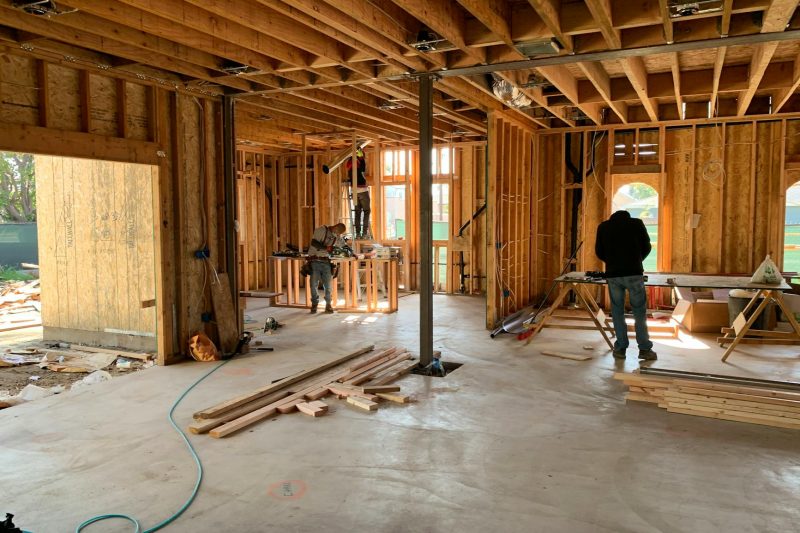
Planning to build your dream home in Austin can be thrilling—but the financing process may leave you with more questions than answers. A construction loan is a short-term, specialty loan used to finance the building of a new home, with funds released in stages as construction progresses. In this article, you’ll learn how construction loans work in Austin and Central Texas, the key steps to qualify, and what makes these loans unique compared to traditional mortgages.
Key Takeaways
- Purpose: Construction loans provide funding to cover labor, materials, and other costs needed to build a custom or semi-custom home.
- Eligibility: Lenders typically look for strong credit, detailed builder contracts, and documented income—standards may be higher than for other loan types.
- Timeline: Most construction loan processes last 6–18 months, with funds released in phases as construction milestones are reached.
- Best For: Those looking to build a new home from the ground up, including first-time and move-up buyers in Austin and surrounding Texas communities.
Quick Answers
- Can I use a construction loan to buy land and build? Yes, many construction loans can include funds for both land purchase and construction costs, but requirements may vary by lender.
- Do I need a large down payment? Most construction loans require a down payment, often higher than for standard mortgages, but amounts depend on your scenario and program.
- Will I make interest-only payments during construction? Typically, you pay interest only on the funds disbursed until the home is complete, then convert to a permanent loan with regular payments.
- What documents do I need? Expect to provide builder contracts, construction plans, detailed budgets, proof of income, and other financial information.
What Is a Construction Loan?
A construction loan is a short-term mortgage designed specifically for financing the building of a new property. Unlike a traditional home loan, funds from a construction loan are released in draws—payments made at various stages of construction, such as completing the foundation, framing, or roofing.
Once your project is finished and passes final inspection, the loan can often be converted—or refinanced—into a permanent mortgage. This process is called “construction-to-perm” financing. If you’re building in Austin or the broader I-35 Corridor, this is a common approach for new homes, whether custom builds or through a production builder.
The team at Mission Mortgage of Texas, Inc. (NMLS# 207583) specializes in navigating this process, helping clients understand options at every stage.
How Do Construction Loans Work?
- Application: Submit a detailed application, including builder contracts, timelines, plans, and financial documentation.
- Approval & Closing: The lender reviews documents, orders an appraisal based on plans and specs, and closes the loan before ground is broken.
- Draw Process: As construction progresses, funds are released to pay for completed work, following inspections and verification of milestones.
- Interest-Only Payments: During construction, you pay interest only on the amount drawn—not the full loan balance.
- Conversion: Once the home is finished and you receive a Certificate of Occupancy, the loan is converted to a standard mortgage (principal & interest payments begin).
Eligibility Requirements for Construction Loans in Austin
Lenders look for strong financial qualifications, since construction lending involves more risks and monitoring than typical home lending. The most common requirements include:
- Credit Score: Many lenders require good to excellent credit, but specific guidelines vary—talk to your mortgage advisor for your scenario.
- Down Payment: Minimums are often higher than traditional loans; some programs may require 10% or more.
- Income Documentation: Expect to provide clear documentation of income and assets. Self-employed borrowers may need extra paperwork or alternative forms of verification.
- Builder Approval: Your builder must be licensed and approved by your lender; DIY/self-builds are rarely eligible.
- Budgets & Plans: Detailed construction plans, timelines, line-item budgets, and contracts are required for underwriting.
Types of Construction Loans
One-Time Close (Construction-to-Permanent)
With this option, you secure your construction and permanent mortgage in one transaction. The permanent loan terms are locked in upfront, and you only have to close once (saving on fees and paperwork). Once construction is finished, your loan automatically converts.
Two-Time Close (Construction Only)
This approach uses two separate loans: a short-term construction loan, followed by a new mortgage application for permanent financing. While it offers some flexibility, it requires two sets of closing costs and underwriting processes.
| Type | Description | Best For |
|---|---|---|
| One-Time Close | Single closing, converts automatically to a permanent loan after completion. | Borrowers seeking simplicity and upfront rate/security. |
| Two-Time Close | Separate loans for construction and permanent mortgage, requiring two closings. | Those wanting more flexibility or specialized programs. |
Common Questions About Construction Loans
- Can you use a construction loan for custom or production homes? Yes. These loans are versatile—ideal for custom builds and sometimes for new builds in established communities across Travis, Hays, Williamson, and surrounding counties.
- What can construction funds be used for? Typical expenses include lot purchase, materials, labor, permits, and sometimes certain soft costs related to design or engineering.
- What about renovations or additions? Specific renovation loans exist for major remodels, but standard construction loans are tailored for ground-up projects.
Key Differences: Construction Loans vs. Conventional Mortgages
| Feature | Construction Loan | Conventional Mortgage |
|---|---|---|
| Use of Funds | Land & construction (new build) | Existing properties |
| Disbursement | Draws released by milestone | Entire loan at closing |
| Interest Payments | Interest-only during construction | Principal & interest immediately |
| Documentation | Builder plans/contracts, budgets required | Standard property appraisal/contract |
Tips for a Successful Construction Loan Experience
- Work with an experienced builder. Lenders require approved, licensed builders—experience matters for smoother draws and inspections.
- Plan for contingencies. Set aside a buffer for unexpected expenses or delays, as construction rarely follows an exact calendar.
- Maintain open communication. Regular updates with your lender, builder, and title company help your project stay on track.
- Get pre-approved early. Connect with a mortgage advisor early in your planning process to clarify budget, eligibility, and next steps.
Serving Austin—and Beyond
Construction financing isn’t one-size-fits-all. From the Hill Country around Dripping Springs to new communities in Bastrop, Buda, Kyle, and Georgetown, we help buyers across the Austin area—and from New Braunfels to Houston—navigate the unique challenges of building a home in Texas. Our experience spans first-time builders, move-up clients, and self-employed borrowers with non-traditional income. Understanding your loan options before breaking ground is key for a smooth build.
Ready to Build? Let’s Talk Construction Loan Options
Thinking about building your home in Austin, New Braunfels, San Marcos, Houston, or anywhere in Texas? We invite you to reach out—call, text, or email us anytime. We’ll review your construction scenario, compare financing options, and help you map out the pre-approval and planning steps so you can move forward with clarity.
Frequently Asked Questions
How is the value of my new home determined for a construction loan?
The lender orders an appraisal based on your construction plans and specifications, comparing them to similar newly built homes in the area. This projected value helps determine your loan amount and equity position.
Can self-employed borrowers qualify for a construction loan?
Yes, self-employed borrowers can qualify, but they may need to provide additional documentation of income and business viability. Each situation is unique, so it's important to discuss your income documentation and options with your lender.
What happens if construction takes longer than expected?
If your build is delayed, communicate proactively with your lender and builder. Extensions are sometimes possible, but additional fees or re-qualification may be required depending on the lender’s policy.
Are there construction loans for owner-builders?
Most lenders require a licensed, experienced builder or general contractor to be in charge of the project. True owner-builder loans are rare and have stricter requirements due to higher risk.
Can I lock in my permanent mortgage rate before construction is finished?
With a one-time close or construction-to-permanent loan, you usually lock your rate before construction starts. Terms and options vary, so ask your lender about available rate lock programs and how they apply to your timeline.
This is educational and not financial advice. Loan programs and guidelines can change. Talk with a licensed mortgage professional about your specific scenario.

About the Author
Leigh Ann McCoy
President at Mission Mortgage of Texas, Inc.
Your mortgage journey begins here. Getting started on the purchase or refinance of your home is just a few minutes away. No commitment needed.
Specializes in: Conventional, FHA, Non-QM
Licensed in: TX
Company NMLS #207583
Related Posts