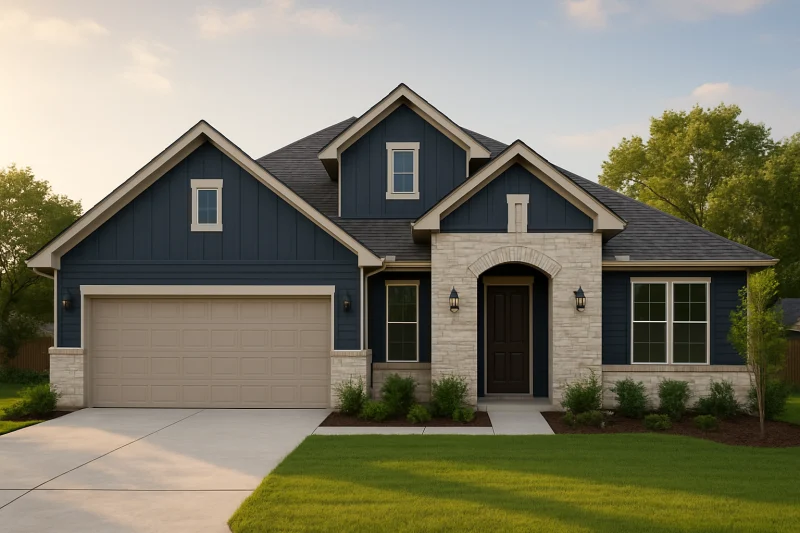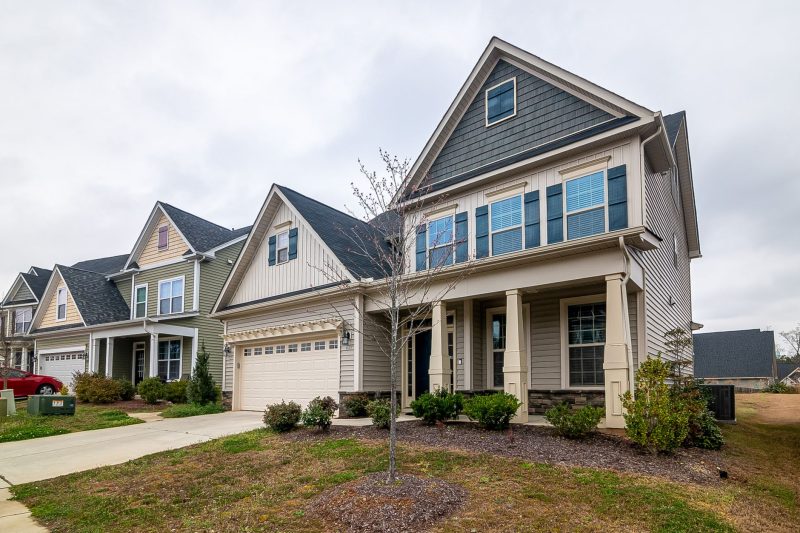
Making the leap from a starter home to your next property can feel both exciting…
Conventional vs FHA Loans: Which is Right for Your Next Austin Home?

Choosing your next home loan in Austin can feel confusing, especially with so many options on the table. Conventional loans are mortgages not insured by the government, while FHA loans are backed by the Federal Housing Administration and have different qualification standards. In this article, you’ll discover how conventional and FHA loans compare, who each program may benefit, and what to expect during the process in Austin and surrounding areas.
Key Takeaways
- Purpose: Conventional loans are ideal for borrowers with strong credit, while FHA loans are designed to make homeownership more accessible for those with lower credit scores or limited down payment.
- Requirements: Conventional loans often require higher credit scores and larger down payments; FHA loans generally accept lower credit scores and smaller minimum down payments.
- Down Payment: Minimum down payment for conventional loans is typically 3% for qualifying borrowers and 3.5% for FHA loans.
- Best For: Conventional is generally best for buyers with stable finances; FHA is great for first-time buyers or those needing more flexible credit and down payment requirements.
Quick Answers: Comparing Conventional vs FHA Loans
- What are the main differences? Conventional loans are not government-backed; FHA loans are backed by the Federal Housing Administration and have different qualification standards.
- Who typically qualifies? Conventional loans usually require higher credit scores, while FHA loans may work for those with lower scores.
- How do down payments compare? Minimums are as low as 3% for conventional (for qualifying borrowers) and 3.5% for FHA loans.
- Can you remove mortgage insurance? PMI may be cancelled on conventional loans, but FHA mortgage insurance often remains unless the loan is refinanced into a conventional product.
- Which is better for self-employed borrowers? Both can work, but documentation standards for income can vary; ask for details on the Bank Statement Program if you’re self-employed.
Understanding the Basics: What Are Conventional and FHA Loans?
Conventional loans are mortgages offered by private lenders and are not insured by a government agency. They typically follow guidelines set by Fannie Mae and Freddie Mac, which means meeting certain credit, income, and appraisal standards. These loans are popular among buyers who have solid finances, a stable income, and can make a larger down payment.
FHA loans, by contrast, are insured by the Federal Housing Administration. This government backing allows lenders to offer loans to buyers who may have lower credit scores or less money saved for a down payment. FHA loans help lower barriers to homeownership, especially for first-time buyers or those rebuilding credit.
The team at Mission Mortgage of Texas, Inc. (NMLS# 207583), based in Austin, guides borrowers throughout Central Texas and beyond—helping them explore both conventional and FHA options tailored to their needs.
Key Differences Between Conventional and FHA Loans
| Feature | Conventional Loan | FHA Loan |
|---|---|---|
| Credit Score Requirements | Often higher (mid to upper 600s and above) | Generally more flexible (can be lower) |
| Minimum Down Payment | 3% for qualifying buyers; more common at 5%+ | 3.5% minimum (subject to credit requirements) |
| Mortgage Insurance | Private (PMI); may be dropped once enough equity is built | Upfront and monthly mortgage insurance; lasts life of the loan unless refinanced |
| Loan Limits | Conforming loan limits vary by county | FHA loan limits set by county and generally a bit lower than conventional limits |
| Property types | Primary, second homes, and some investment properties | Owner-occupied primary residences only |
| Who It’s Commonly For | Move-up buyers, strong-credit first-time buyers, some self-employed borrowers | First-time buyers, limited down payment, less established credit history |
How Down Payment and Mortgage Insurance Work
Down payment size is one of the main differences between these loans. With FHA, a minimum of 3.5% is required (subject to credit). Some conventional programs permit as little as 3% down for qualifying buyers, but most buyers put more down to avoid private mortgage insurance (PMI) costs.
Mortgage insurance is also different for each program.
- FHA loans: You’ll pay an upfront mortgage insurance premium (often rolled into your loan amount) plus ongoing monthly mortgage insurance for the life of the loan, unless you refinance out of FHA later.
- Conventional loans: Private mortgage insurance (PMI) is required if your down payment is below 20%, but it can be canceled once you’ve built sufficient home equity—typically at 20% equity or higher.
Which Loan is Easier to Qualify For?
FHA loans are often easier to qualify for than conventional loans. FHA guidelines permit lower credit scores, higher debt-to-income ratios, and allow for more flexibility with recent major life events such as bankruptcy or foreclosure (with required waiting periods). Down payment funds for FHA loans can come from gifts or approved assistance programs.
Conventional loans tend to require higher credit scores, stable income, and a stronger overall financial profile. If you have little debt and good credit, you’ll often qualify for a conventional loan and potentially save on mortgage insurance costs in the long run.
How the Process Works in Austin, San Antonio, and Beyond
The loan process begins with a pre-approval, where your income, credit, and assets are reviewed by your lender. This applies for both conventional and FHA loans. In markets like Austin, New Braunfels, Georgetown, and Houston, demand can be high, so having your pre-approval in hand early shows sellers you’re serious and ready to move quickly.
After pre-approval, you’ll shop for homes, make your offer, and proceed to underwriting and appraisal once under contract. FHA properties require the home to meet certain minimum standards for safety and livability, while conventional property standards can be somewhat more flexible. Either way, local market expertise and a responsive lender team help you keep the process smooth.
Which Is Right for You?
- If you have good credit and at least 3-5% available for down payment, you may find conventional loans offer more long-term savings and flexibility.
- If your credit is limited or your down payment savings are tight, FHA may be the path to homeownership—especially if you’re a first-time buyer.
- If you’re self-employed, both programs are possible, but documentation for income can be more detailed. You might also explore our Bank Statement Program designed for self-employed borrowers in the Austin area.
Special Considerations for Self-Employed, Move-Up, and First-Time Buyers in Texas
Self-employed borrowers often face more scrutiny around qualifying income. Providing tax returns, business financials, and consistent income documentation is important. Some loan products, like those available through Mission Mortgage, offer alternative documentation options—which can help if your reported income looks lower due to business deductions.
Move-up buyers may lean toward conventional loans, especially if they have equity in a current home. First-time buyers in Travis, Hays, Williamson, and Bexar counties frequently use FHA to ease the transition into homeownership. Some state and local down payment assistance programs pair well with FHA—ask your lender about eligibility.
Get a Personalized Comparison with Mission Mortgage
Every borrower’s financial scenario is unique. That’s why it’s essential to review your situation with a trusted, locally based lender serving Central Texas, including Austin, San Antonio, New Braunfels, and Houston. We specialize in both conventional and FHA home loan options, and are here to help you weigh the pros and cons, compare payments, and plan next steps.
Call, text, or email us to discuss your homebuying goals, get pre-approval started, and confidently move forward in today’s market.
Frequently Asked Questions
Can I use gift funds for my down payment on either loan type?
Yes. Both FHA and most conventional loan programs allow the use of gift funds for all or part of your down payment, as long as proper documentation is provided and guidelines are met.
How long does the approval process usually take?
The timeline for approval can vary based on your documentation and the local market, but most conventional and FHA loans close within several weeks from application to funding. Having documents ready will help the process move faster.
Can I refinance from FHA to conventional to remove mortgage insurance?
Yes, many homeowners with FHA loans later refinance into a conventional loan once they build enough equity or their credit improves, which can eliminate monthly mortgage insurance premiums. Guidelines and requirements apply.
Do FHA and conventional loans have different property standards?
Yes. FHA loans require homes to meet minimum safety and livability standards, often resulting in stricter property appraisals compared to conventional loans. The property’s condition can impact loan approval, especially for FHA.
Is there an income limit for these programs?
No. Neither FHA nor conventional loans have set income limits for eligibility, but down payment assistance programs and some special loan offerings might include income guidelines. Your total qualifying income will still impact your ability to borrow.
This is educational and not financial advice. Loan programs and guidelines can change. Talk with a licensed mortgage professional about your specific scenario.

About the Author
Mission Mortgage of Texas, Inc.
Your mortgage journey begins here. Getting started on the purchase or refinance of your home is just a few minutes away. No commitment needed.
Specializes in: Conventional, FHA, Non-QM
Licensed in: TX
Company NMLS #207583
Related Posts