
Construction Home Loans in Austin, TX
Building a home is a big step. Our construction home loans are designed to support you at every stage of this exciting journey.
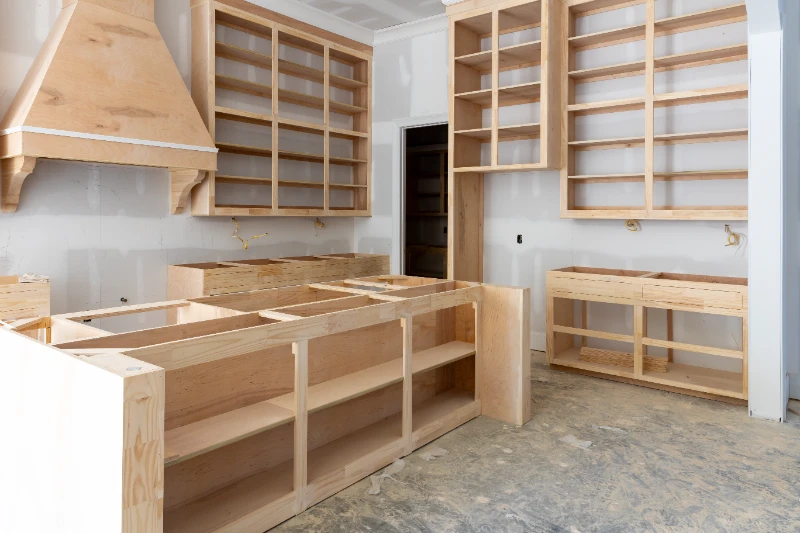
What Is a Construction Home Loan?
A construction home loan in Austin, TX provides staged financing for the land, labor, materials, and approved expenses involved in building a home. At Mission Mortgage of Texas, Inc., we help first-time buyers, move-up buyers, and self-employed borrowers understand how construction financing differs from purchasing a completed property. Because the lender evaluates both you and the proposed project, careful planning is essential.
Key Takeaways
- Staged disbursements: Construction funds are released through scheduled draws as inspected work is completed.
- Two-part review: The lender evaluates your financial qualifications as well as the builder, plans, budget, land, and projected home value.
- Flexible structures: Financing may use one closing for construction and permanent financing or separate loans for each phase.
- Land equity: Equity in a lot you already own may count toward the required borrower contribution, depending on current program guidelines.
- Construction payments: Payments during the build are often based on the amount disbursed rather than the entire approved loan amount.
- Contingency reserves: Extra funds may be required to address change orders, site problems, material increases, and other unexpected costs.
- No automatic increases: A higher final cost or change in estimated value does not necessarily increase the available loan proceeds.
Construction Home Loan FAQ
Construction home loans require more project documentation and ongoing oversight than mortgages used to purchase finished homes.
- What is a construction home mortgage? It is short-term or construction-to-permanent financing that pays approved building expenses in stages. The property is generally appraised according to its anticipated value after the home is completed.
- Who can apply for construction financing? Eligible first-time buyers, current homeowners, landowners, and self-employed borrowers may apply. Approval depends on the borrower’s finances and whether the builder and project satisfy the selected program’s requirements.
- How long does a construction loan take? Loan review and closing often require 45 to 90 days, although complex plans, appraisal issues, permitting, or missing builder documents can extend that period. The build itself may take nine months or longer.
- Can I finance the lot and home together? Some programs permit the land purchase and construction costs to be combined into one transaction. If you already own the lot, the lender will review its current value, acquisition history, taxes, and any existing liens.
- Do I need to hire a licensed builder? Most programs require an experienced, properly insured builder who can pass a financial and operational review. Owner-builder financing is limited and usually carries additional restrictions.
- Is a large down payment always required? Not always, but required cash or equity varies considerably by program, occupancy, credit, project cost, and completed value. Certain FHA construction programs may permit a lower contribution, subject to availability and current requirements; learn more about the underlying FHA home loan.
- How is interest calculated during construction? Borrowers commonly pay interest on funds that have already been advanced through draws. The exact payment structure, rate, and conversion terms depend on the loan documents.
- Can self-employed income be used? Yes, when it can be documented under the applicable guidelines. Borrowers whose tax returns do not fully reflect current cash flow may also explore a Bank Statement Program, although alternative documentation is not available with every construction product.
How Construction Home Loans Work
Construction financing follows a coordinated process that reviews the borrower, property, builder, and building plan before any work is funded.
- Establish the project scope: We first discuss the land, proposed home, expected occupancy, preliminary budget, and whether another property must be sold. This helps us identify potentially appropriate construction programs before you commit to a builder contract.
- Review your financial position: We evaluate credit, income, assets, debts, reserves, and the proposed source of your contribution. Self-employed borrowers should expect additional review of business returns, financial statements, ownership percentages, and the stability of ongoing income.
- Approve the builder and documents: The builder typically provides licensing or registration information, insurance, references, financial documentation, plans, specifications, a line-item budget, and a construction schedule. Approval of the borrower does not automatically mean the builder or project will be accepted.
- Complete an as-finished appraisal: An appraiser reviews the lot, plans, materials, room count, square footage, and relevant comparable properties to estimate the completed value. Loan calculations may be constrained by project cost, appraised value, or both.
- Underwrite and close the loan: Final underwriting confirms that all borrower and project conditions are satisfied. Closing funds may acquire the land or pay an existing lot lien, while the remaining proceeds are placed into a controlled construction account.
- Manage inspections and draws: The builder requests funds after reaching specified milestones, and an inspection confirms the reported progress before release. What we typically see is a draw schedule organized around foundation, framing, mechanical systems, interior completion, and final inspection.
- Finish or convert the financing: Final items may include lien waivers, inspections, title updates, proof of insurance, and a certificate of occupancy. A one-time-close program may convert to permanent financing, while a two-close structure requires a new mortgage closing based on then-current eligibility and pricing.
When Construction Home Loans May Make Sense
Construction financing may be a good fit when you want a newly built primary residence and are prepared for detailed financial and project oversight. It often works well for landowners, move-up buyers seeking features unavailable in existing homes, and first-time buyers who have sufficient reserves and a realistic timeline. In our experience, projects are easier to manage when borrowers select an established builder, limit discretionary changes, and preserve cash beyond the minimum amount required at closing.
A finished home or another loan structure may be worth considering when your budget, move-in date, or available reserves leave little room for uncertainty. Buyers focused on a smaller initial contribution can compare low down payment purchase options. Move-up buyers who need to use equity from a current residence may also evaluate a bridge home loan, while recognizing that carrying multiple properties can increase financial risk.
Construction Home Mortgage Costs and Fees
Construction loans can cost more to establish and administer because they require plan review, ongoing inspections, draw management, and additional title work. Potential expenses include the appraisal, survey, permits, closing charges, builder’s risk insurance, inspection fees, draw fees, prepaid interest, and reserves. Some fees may be financed when allowed, while others must be paid from verified borrower funds.
Down payment or equity requirements can range from lower-down-payment government-backed structures, when available, to approximately 10%–20% or more for conventional and specialty programs. For example, on a $700,000 eligible land-and-construction budget with a 15% required contribution, the borrower would provide approximately $105,000 before separate closing costs and reserves; actual calculations may give credit for eligible land equity.
Construction pricing is often higher than standard mortgage pricing because the collateral is incomplete and the lender must administer the project. Approval may take 45 to 90 days, followed by the construction period and final conversion or closing. Borrowers comparing permanent payment structures can review a fixed-rate mortgage.
| Feature | Construction Home Loan | Completed-Home Mortgage |
|---|---|---|
| Disbursement | Funds released through inspected draws | Most funds released at closing |
| Property valuation | Based on plans and projected completed value | Based on the home’s current condition |
| Cash or equity | Varies by program, cost, land equity, and value | Varies by standard loan guidelines |
| Ongoing charges | Inspection and draw fees may apply | No construction draw administration |
| Payment during term | Often interest on disbursed funds | Usually principal, interest, taxes, and insurance |
| Overall timeline | Includes underwriting, building, and completion | Generally ends with the purchase closing |
Common Construction Loan Mistakes to Avoid
The most expensive construction mistakes often involve underestimated costs, undocumented funds, or work completed outside the approved draw process.
- Underestimating site expenses: Excavation, utility connections, drainage, tree protection, retaining walls, and driveway work may not be included in a builder’s base price. Confirm these items before the appraisal and final underwriting.
- Making unapproved changes: Upgraded finishes or added square footage can affect the budget, appraisal, plans, and completion date. The lender may require written approval before work proceeds, and additional value may not fully offset the added cost.
- Advancing money directly to the builder: Suppose a builder requests a $40,000 materials payment before the corresponding draw inspection. Paying it independently may create title, documentation, or reimbursement problems because the expense occurred outside the lender’s approved process.
- Using reserve funds elsewhere: Buying furniture, paying off unrelated debt, or moving funds into a business account before closing can reduce verified reserves. We recommend discussing significant transfers or purchases before making them.
- Ignoring the permit timeline: A closing date does not guarantee that construction can begin immediately. Delayed permits, utility approvals, architectural revisions, or neighborhood restrictions can create additional interest and housing costs.
- Choosing the wrong project loan: A substantial renovation of an existing house may be better evaluated under a rehab loan rather than ground-up construction financing.
Local Construction Considerations for Austin, TX
Building costs and timelines can vary sharply according to the site, jurisdiction, and development rules affecting a specific Central Texas property. In neighborhoods such as Tarrytown and Travis Heights, infill construction may involve protected trees, demolition requirements, tight lot access, and compatibility constraints, while properties near Westlake Hills or Bee Cave can require limestone excavation, engineered foundations, septic review, or wildfire insurance analysis. Austin’s technology, semiconductor, state-government, and university employment base also supports steady housing demand, but competition for experienced trades can affect bids and schedules; what we typically see is that early confirmation of floodplain status, utility capacity, permitting jurisdiction, and deed restrictions produces a more dependable budget.
Let’s Talk About Your Construction Plans
A well-prepared construction loan starts with a realistic review of your finances, land, builder, plans, and total project costs. We can help you compare available structures and identify documentation or budget questions before you move too far into the building process. Get started with Mission Mortgage of Texas, Inc. (NMLS #207583) today through our Get Started page.
This is educational content and not financial advice. Loan programs and guidelines can change. Talk with a licensed mortgage professional about your specific scenario.
Surf our website to learn about our company, see our loan programs, and request a free consultation.
Get started today!
Fill out the questionnaire on this page to start a discussion about your mortgage needs today!