Fix up your fixer upper home with a Rehab Loan.
You may be able to purchase a home and roll the costs of the renovation into your loan.
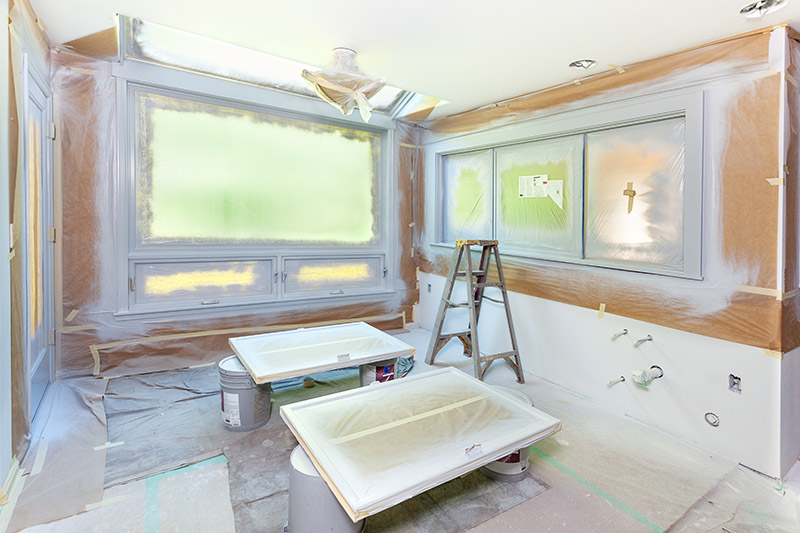
A rehab loan is a specialized mortgage that lets you buy and renovate a home with one streamlined loan. For buyers in Austin, TX, Mission Mortgage of Texas, Inc. (NMLS #207583) helps you finance both the purchase price and the cost of repairs or upgrades—making it possible to turn a fixer-upper into your dream home. Whether you’re a first-time buyer or looking to move up, our team guides you through the rehab loan process in the unique Austin market.
Key Takeaways
- One Loan for Purchase and Renovation: Rehab loans combine the cost of buying a home and making repairs into a single mortgage.
- Ideal for Fixer-Uppers: These loans are designed for homes that need repairs or updates before move-in.
- Flexible Program Options: Choose from FHA 203(k), conventional renovation, or other rehab programs to fit your needs.
- Local Expertise Matters: Working with a rehab lender in Austin, TX ensures you understand local property values and contractor requirements.
- Extra Documentation Required: You’ll need to submit detailed renovation plans, contractor bids, and sometimes architectural drawings.
- Funds Released in Stages: Rehab loan funds for repairs are held in escrow and paid out as work is completed.
- Great for First-Time and Self-Employed Buyers: Many rehab mortgage options are accessible even if you’re new to homeownership or have non-traditional income.
Quick Answers About Rehab Loans in Austin, TX
- What is a rehab loan? It’s a mortgage that lets you finance both the purchase and renovation of a home in a single loan.
- Who can use a rehab loan? Rehab loans are available to owner-occupants, some investors, and even self-employed buyers, depending on the program.
- What types of properties qualify? Most single-family homes, some multi-units, and certain condos in Austin, TX may be eligible if they need repairs.
- How do I get renovation funds? Funds for repairs are held in escrow and released to your contractor as work is completed and inspected.
- What if I want to do the work myself? Most rehab programs require licensed contractors for major repairs, but some minor work may be DIY if approved by the lender.
- How long does the process take? Rehab loans can take longer than standard mortgages—often 45-60 days or more—due to extra steps for renovation approval and inspections.
How Rehab Loan Programs Work in Austin, TX
- Pre-Qualification: We review your credit, income, and financial goals to determine if a rehab loan is the right fit for your situation. This step helps us identify the best rehab program for your needs—whether FHA 203(k), conventional, or a non-QM option.
- Find a Property and Assess Repairs: You identify a home in Austin, TX that needs work. Together, we estimate the cost of necessary repairs and improvements, often with help from a licensed contractor.
- Submit Contractor Bids and Plans: You’ll collect detailed bids and a scope of work from your chosen contractor(s). These documents are required for loan approval and help us ensure the repairs meet program guidelines.
- Appraisal and Loan Approval: An appraiser evaluates the property’s future value after renovations. We use this “after-improved” value to determine your maximum loan amount, subject to current 2026 loan limits and program rules.
- Loan Closing and Escrow Setup: At closing, the purchase funds go to the seller, and the renovation funds are placed in an escrow account. This ensures the money for repairs is available but only paid out as work is completed.
- Renovation Phase: Contractors begin work. Funds are released in draws after inspections confirm each phase is done. We stay in touch to help manage timelines and documentation.
- Final Inspection and Completion: Once all work is finished, a final inspection confirms the renovations meet the agreed scope. Any remaining escrow funds are applied to your loan balance or released as allowed.
Who Should Consider a Rehab Mortgage—and Who Might Look Elsewhere?
Rehab loans are a great fit for buyers who see potential in homes that need repairs or updates, especially in a competitive Austin, TX market where move-in ready homes can be pricey. If you’re a first-time buyer, move-up buyer, or self-employed borrower with a vision for transforming a property, a rehab loan can help you access homes that others might overlook. In our experience, these programs are especially valuable if you want to customize your home from the start or build equity through renovations.
However, rehab loans aren’t for everyone. If you need to move quickly, are uncomfortable managing contractors, or prefer a home that’s already turnkey, you might be better served by a standard fixed rate mortgage or a low down payment purchase option. Investors looking for short-term flips may want to explore our Fix & Flip Home Loan or DSCR Home Loan programs, which are designed for different strategies. We’re happy to help you compare all your options.
Understanding Costs, Fees, and What to Expect with Rehab Loans
Rehab loans come with unique costs and timelines compared to traditional mortgages. You’ll need to budget for standard closing costs, a down payment (which can start as low as 3.5% for FHA 203(k)), and additional fees for inspections, appraisals, and escrow management. Interest rates may be slightly higher than on standard loans, reflecting the added risk and complexity. Expect a longer closing timeline—often 45-60 days or more—due to extra steps for renovation approval and contractor vetting.
In our experience, buyers sometimes underestimate the upfront cash needed for repairs not covered by the loan, or for change orders during construction. We’ll help you set realistic expectations and understand all costs before you commit.
| Feature | Rehab Loan | Standard Mortgage |
|---|---|---|
| Down Payment | As low as 3.5% (FHA), 5%+ (conventional) | 3%–20% depending on program |
| Closing Costs | Standard fees plus rehab escrow and inspection fees | Standard fees |
| Interest Rate | Slightly higher than standard loans | Lowest available for qualified buyers |
| Timeline to Close | 45–60+ days | 30–45 days |
| Renovation Funds | Held in escrow, released in draws | N/A |
| Eligible Properties | Homes needing repairs/updates | Move-in ready homes |
Common Mistakes to Avoid with Rehab Loans in Austin, TX
- Underestimating Renovation Costs: Many buyers overlook hidden repairs or rising material costs, leading to budget overruns. Always add a contingency to your contractor’s bid.
- Choosing Unqualified Contractors: Most rehab programs require licensed, insured contractors. Using friends or unlicensed workers can delay or even jeopardize your loan.
- Skipping Detailed Bids: Vague or incomplete contractor bids can cause approval delays. Lenders need itemized, written estimates for every repair.
- Ignoring the Timeline: Rehab loans take longer to close and complete. If you’re on a tight schedule, this can create stress or extra housing costs.
- Not Planning for Living Arrangements: Major renovations may make your home unlivable for weeks. Have a plan for where you’ll stay during construction.
- Missing Draw Deadlines: Delays in inspections or paperwork can slow down fund releases, impacting your contractor’s schedule and possibly increasing costs.
Local Considerations for Rehab Loans in Austin, TX
The Austin, TX real estate market offers unique opportunities and challenges for rehab loans. Older homes in central neighborhoods often need updates, but local permitting processes and contractor availability can affect timelines. In our experience, Austin’s rapid growth means competition for skilled tradespeople is fierce, so it’s wise to line up contractors early and confirm they’re familiar with city codes. Property values can rise quickly after renovations, but be sure to account for local appraisal standards and neighborhood comps when planning your project.
Ready to Explore Your Rehab Loan Options?
If you’re considering a rehab loan in Austin, TX, we’re here to help you navigate every step—from pre-qualification to the final inspection. At Mission Mortgage of Texas, Inc. (NMLS #207583), our team brings deep local expertise and a commitment to making your renovation journey as smooth as possible. Whether you’re a first-time buyer or looking for a creative way to build equity, let’s talk about your goals and see if a rehab mortgage is the right fit. You can also explore other options, like our FHA Home Loan or Construction Home Loan, to compare what works best for your needs.
Get started with Mission Mortgage of Texas, Inc. (NMLS #207583) today by requesting a personalized quote at missionmortgage.com/quote/.
This is educational content and not financial advice. Loan programs and guidelines can change. Talk with a licensed mortgage professional about your specific scenario.
Surf our website to learn about our company, see our loan programs, and request a free consultation.
Get started today!
Fill out the questionnaire on this page to start a discussion about your mortgage needs today!
Frequently Asked Questions
What is a Rehab Loan?
A rehab loan, also known as an FHA 203(k) or renovation loan, allows homebuyers or homeowners to finance both the purchase (or refinance) of a property and the cost of repairs or renovations into a single mortgage.
Who might benefit from a rehab loan?
Rehab loans may be ideal for buyers interested in purchasing fixer-uppers or homeowners looking to update or improve their existing property without taking out separate financing for the renovations.
What types of repairs can be included in a rehab loan?
Depending on the loan type, eligible repairs can include anything from minor updates like flooring, paint, and appliances to major projects such as roofing, structural repairs, room additions, or energy-efficient upgrades.
What are the main types of rehab loans?
The FHA 203(k) program has two main options: the Limited 203(k), which covers smaller repairs typically under $35,000, and the Standard 203(k), which is used for larger renovation projects that may involve structural work.
Can a rehab loan be used for investment properties?
Most FHA 203(k) rehab loans are intended for owner-occupied properties, not investment or rental homes. However, other renovation loan programs may be available for investors through conventional financing options.
